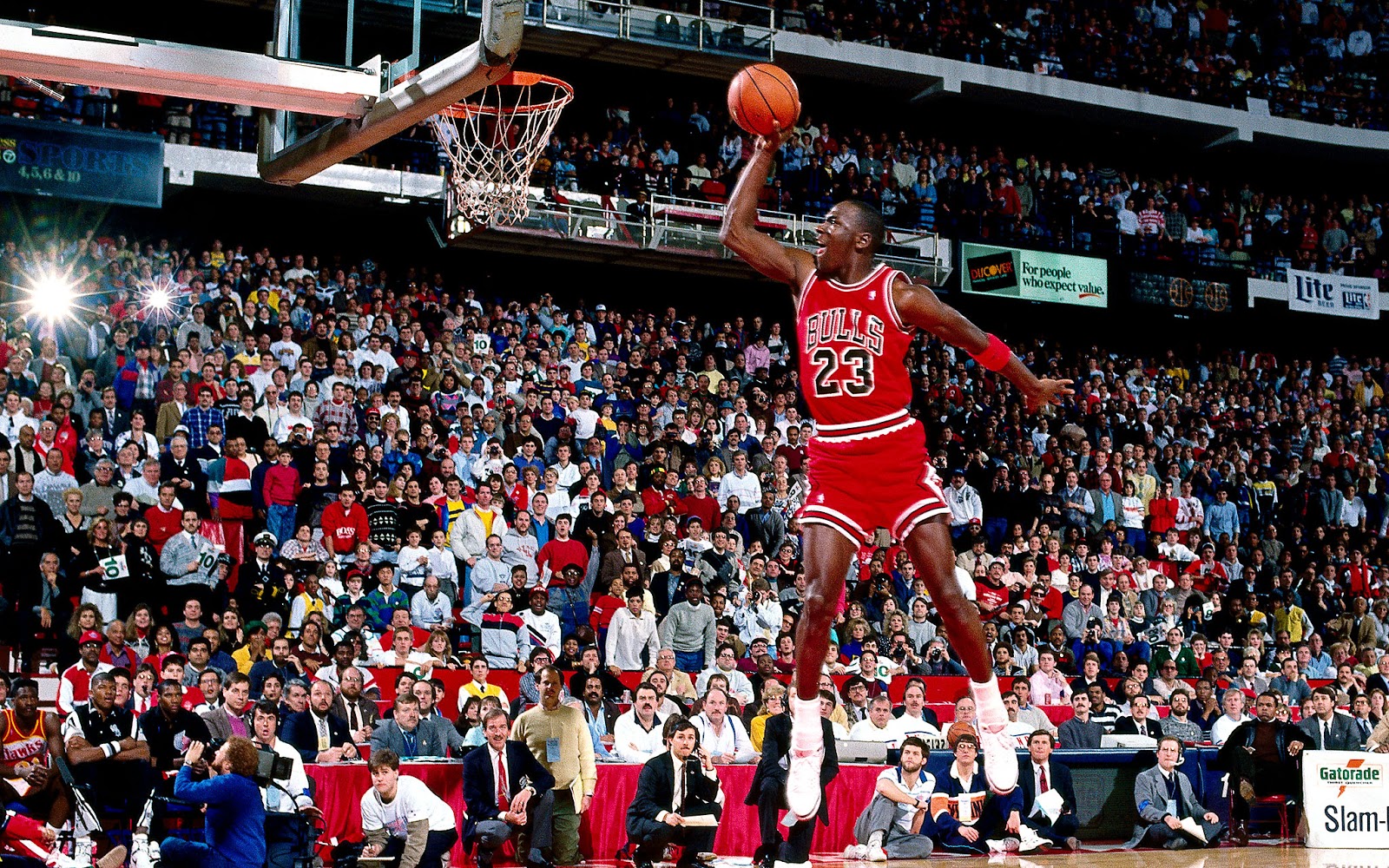
Balancing elements
Depth
Rule of Thirds
Leading Lines
Symmetry & Pattern
View Point
Background
Framing
Cropping
Merging
Wednesday, September 2, 2015
Wednesday, November 19, 2014
Aperture and Shutter Speed Practice
F4 – looks the best at _1/125____ of a second shutter speed.
The back looks blurry.
F5.6 – looks the best at _1/60____ of a second shutter speed.
The back dosent look that blurry .
F8 – looks the best at _1/30____ of a second shutter speed.
The back dosent look that blurry.
F11 – looks the best at _1/60____ of a second shutter speed.
The back dosent look that blurry.
F16 – looks the best at _1/30____ of a second shutter speed.
The back is getting clear.
F22 – looks the best at _1/8____ of a second shutter speed.
The back got clear but still a lil blurry.
The people look dark or bright.
2. In a real shooting situation, what should the photographer do to lessen this problem?
The photographer need to put more light when it needs it and when its bright take sum light off.
3. What combination of aperture and shutter speed do you think produces the best portrait? Why?
F22 looks best with 1/8 because the back looks good and the people to.
Monday, November 17, 2014
3 Pillars
Aperture
1.What part of the body should we closely relate aperture? The eyes
2.The smaller the Aperture number, the higher the Aperture size
3.n your own words tell me how aperture impacts Depth of Field? The size of the aperture has a direct impact on the depth of field
4.Using a class camera, list ALL of the F stops available on the lens currently attached.
1.F4
2.F4.5
3.F5
4.F5.6
5.F6.3
6.F7.1
7.F8
8.F9
9.F10
10.F11
11.F13
12.F14
13.F16
14.F18
15.F20
16.F22
17.F25
5.What is the highest and smallest aperture numbers available on the kit lens? F4-F25
Wednesday, October 8, 2014
Thursday, October 2, 2014
Line; Lines are marks made by a pointed tool: brush, pencil, pen, etc. Lines can vary in width, direction, curvature, length, or color.
Shape;Shapes are formed wherever the ends of a continuous line meet. Geometric shapes such as circles, triangles or squares have perfect, uniform measurements and don't often appear in nature. Organic shapes are associated with things from the natural world, like plants and animals.
Color;Color wheels show the primary colors, secondary colors, and the tertiary (intermediate) colors. They also show the relationships between complementary colors across from each other, such as blue and orange; and analogous (similar or related) colors next to each other such as yellow, green, and blue. Black and white may be thought of as colors but, in fact, they are not. White light is the presence of all color; black is the absence of reflected light and therefore the absence of color.
Value (Tone);Value, or tone, refers to dark and light; the value scale refers to black and white with all gradations of gray in between. Value contrasts help us to see and understand a two-dimensional work of art.
Form;Form describes objects that are three-dimensional, having length, width, and height.
Texture;Texture can be rough, bumpy, slick, scratchy, smooth, silky, soft, prickly--the list is endless. Texture refers to the surface quality, both simulated and actual, of artwork.
Space;Space refers to distances or areas around, between, or within components of a piece. Space can be positive (white or light) or negative (black or dark), open or closed,shallow or deep, and two-dimensional or three-dimensional.
Subscribe to:
Posts (Atom)